
Quick Answer
Metabolic testing at home can provide information about selected health markers, glucose patterns, or resting energy expenditure, depending on the test used. Blood-based tests, continuous glucose monitors (CGMs), and resting metabolic rate (RMR) devices measure different things. None provides a complete assessment of metabolic health on its own. Understanding the test’s purpose, limitations, and results with a healthcare professional is important before making health decisions.
Key Takeaways
- Metabolic testing at home can involve blood-based biomarker tests, continuous glucose monitoring, or resting metabolic rate measurements.
- Each testing method measures different aspects of the body’s functions.
- Not every test requires fasting; preparation depends on the specific test and laboratory instructions.
- An RMR test estimates energy expenditure at rest, not total daily calorie expenditure.
- A single result does not provide a complete picture of metabolic health.
- Abnormal results may require confirmation or additional clinical evaluation.
- Professional guidance can help determine which tests are appropriate for individual health needs.
What Is Metabolic Testing at Home?
Metabolic testing at home refers to tests or devices that allow people to collect certain health measurements outside a traditional clinic setting. Depending on the product, these tests may evaluate selected blood biomarkers, monitor glucose patterns, or estimate resting energy expenditure.
The term does not describe one standardized test. Different products measure different things, so understanding what a particular metabolism at home test actually evaluates is essential.
Three commonly discussed approaches include:
1. At-home blood testing
Some services provide finger-prick collection kits that allow users to submit a blood sample to a laboratory. Depending on the test panel, measurements may include HbA1c, cholesterol, triglycerides, or other selected biomarkers.
2. Continuous Glucose Monitoring (CGM)
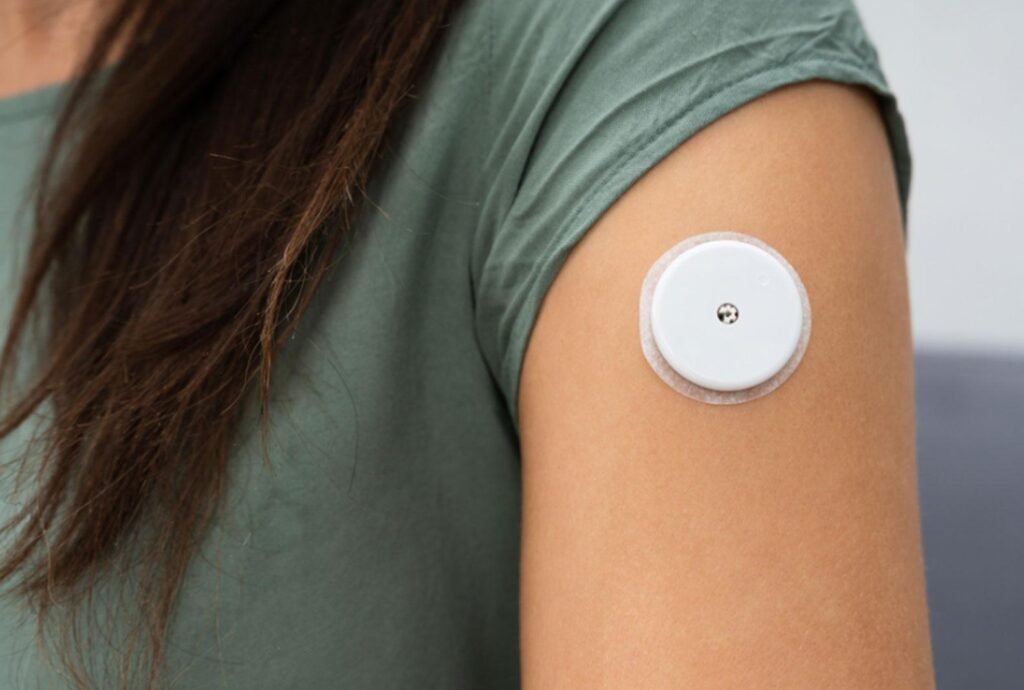
A CGM uses a small wearable sensor to measure glucose in the interstitial fluid just beneath the skin. It provides readings over time and can show how glucose levels change throughout the day.
3. Resting Metabolic Rate (RMR) testing
Some metabolic testing devices estimate resting energy expenditure using measurements related to oxygen consumption and carbon dioxide production. These results can help estimate how much energy the body uses while at rest.
These approaches should not be treated as interchangeable. A glucose monitor does not measure resting energy expenditure, and an RMR test does not evaluate blood cholesterol or diagnose diabetes.
7 Things to Know Before Testing Your Metabolism
Before ordering a metabolism at home test, consider these seven important points.
1. Understand What the Test Actually Measures
One common misconception is that a single test can tell you whether your metabolism is simply fast or slow.
In reality, metabolism involves several biological processes. Different tests evaluate different parts of those processes.
For example:
- HbA1c provides information about average blood glucose over approximately the previous two to three months.
- A lipid panel measures cholesterol and triglycerides.
- A CGM shows glucose patterns over time.
- An RMR test estimates energy expenditure while the body is at rest.
These measurements provide different types of information. None independently measures every aspect of metabolic health.
Before you test your metabolism, check which measurements are included, what they are intended to assess, and whether the testing method is appropriate for your needs.
2. Preparation Can Affect Certain Test Results
Following the instructions provided with a test is important because preparation requirements vary.
Some tests may require fasting, while others do not. For example, the CDC explains that an HbA1c test does not require fasting, although other blood tests ordered at the same time may have different preparation requirements.
Other factors can also influence selected measurements, including:
- Recent meals
- Strenuous physical activity
- Alcohol consumption
- Certain medications and supplements
- Acute illness
- Time of sample collection
Do not automatically fast for 8–12 hours before every metabolic test. Follow the specific instructions from the laboratory or healthcare professional.
For more information, see the CDC’s guide to the A1C test.
3. A Home Test Is Not a Complete Health Assessment
An at-home test may provide useful information, but it does not replace a comprehensive health assessment.
Metabolic health involves several factors, including blood glucose, blood pressure, cholesterol, triglycerides, waist circumference, medical history, and other relevant health information.
For example, a blood test may provide information about selected biomarkers, but it may not include a physical examination, medication review, or evaluation of family history.
The National Heart, Lung, and Blood Institute explains that healthcare professionals evaluate metabolic syndrome using a combination of measurements, including blood pressure and blood tests for blood sugar, cholesterol, and triglycerides.
A single home test result should therefore be viewed as one piece of information rather than a complete health evaluation.
4. Resting Metabolic Rate Is Not Total Daily Energy Expenditure
Resting metabolic rate (RMR) is an estimate of how much energy the body uses while at rest to maintain essential functions.
However, it does not represent the total number of calories a person uses throughout the day.
Total daily energy expenditure (TDEE) includes several components:
| Component | What It Represents |
|---|---|
| Resting metabolic rate | Energy used for essential functions while resting |
| Physical activity | Energy used during exercise and everyday movement |
| Thermic effect of food | Energy used to digest, absorb, and process food |
| Non-exercise activity | Energy used through routine movement outside structured exercise |
An RMR test can provide a useful estimate for certain nutrition or weight management discussions. However, it does not independently determine an individual’s complete calorie requirements or overall metabolic health.
5. One Result Does Not Establish a Long-Term Metabolic Trend
A metabolic test usually reflects the measurements collected during a particular testing period.
Some results may vary because of changes in health, medication, food intake, activity, sample collection, or testing conditions.
For example, a CGM may show glucose changes after meals or physical activity. Those readings can provide information about glucose patterns, but a short monitoring period does not automatically establish a diagnosis or predict long-term health outcomes.
Similarly, a single blood test cannot always explain why a particular marker is outside its reference range.
When appropriate, healthcare professionals may compare results over time, review other measurements, and recommend additional testing.
The goal is to understand the broader pattern rather than draw conclusions from one isolated number.
6. The Biomarkers You Choose to Test Matter
Not every metabolic testing panel includes the same measurements, and not every available biomarker is necessary for every person.
Depending on individual health needs, a healthcare professional may consider measurements such as:
HbA1c: Provides information about average blood glucose over approximately two to three months and may be used to screen for or diagnose diabetes and prediabetes when appropriate.
Fasting blood glucose: Measures blood glucose after a specified fasting period and may help evaluate glucose regulation.
Lipid profile: Measures cholesterol and triglycerides, which can contribute to an assessment of cardiovascular and metabolic risk.
Thyroid-stimulating hormone (TSH): May be evaluated when symptoms, medical history, or clinical findings suggest a need to assess thyroid function. It is not a routine requirement for every metabolic assessment.
Fasting insulin: May be considered in selected clinical situations, but it is not a universal screening test for metabolic health.
High-sensitivity C-reactive protein (hs-CRP): Measures a nonspecific marker of inflammation. It may be useful in selected clinical contexts, but it does not independently diagnose metabolic disease.
The most appropriate tests depend on medical history, symptoms, risk factors, and the questions a healthcare professional is trying to answer.
Learn more about biomarker testing and how selected health measurements may contribute to a broader evaluation.
7. Lifestyle Factors Can Influence Some Metabolic Measurements
Everyday habits can influence certain health measurements, but their effects vary depending on the marker and the individual.
Factors that may be relevant include:
- Nutrition: Eating patterns can influence glucose levels and other aspects of metabolic health.
- Physical activity: Exercise and everyday movement affect energy use and glucose regulation.
- Sleep: Sleep patterns can influence several processes involved in appetite and glucose regulation.
- Stress: Stress responses can affect sleep, eating habits, and certain physiological measurements.
- Medications: Some medicines can influence blood glucose, lipids, or body weight.
A test may help establish a baseline, but it cannot identify every reason behind a particular result.
Lifestyle changes should be based on individual needs and realistic health goals. There is no universal timeline for improving metabolic markers, and repeat testing should follow appropriate clinical recommendations.
Metabolic Testing at Home vs. a Clinical Health Assessment
Although both approaches can provide health information, they differ in scope and how results are interpreted.
| Feature | Metabolic Testing at Home | Clinical Health Assessment |
|---|---|---|
| Primary focus | Selected biomarkers, glucose patterns, or RMR estimates | Broader evaluation of individual health |
| Convenience | Some tests can be completed at home | Usually involves appointments and clinical testing |
| Health history | May collect limited background information | Can include detailed medical and family history |
| Physical examination | Usually not included | May be included when appropriate |
| Interpretation | Depends on the provider and service | Can consider results alongside clinical findings |
| Diagnostic role | Depends on the specific test and its validation | May support diagnosis when appropriate clinical criteria are met |
A properly validated laboratory test can contribute to a medical diagnosis when used under the appropriate conditions. However, purchasing a home test does not automatically establish a diagnosis or replace professional interpretation.
What Happens After Metabolic Testing?
Receiving your results is only one part of the process. Understanding what they mean and deciding whether further evaluation is needed are equally important.
Consider these steps after completing a metabolism at home test:
1. Review the report carefully
Check which biomarkers or measurements were included, the units used, and the laboratory’s reference ranges.
2. Avoid self-diagnosis
An abnormal result does not automatically confirm a medical condition. It may require repeat testing, additional investigation, or interpretation alongside other health information.
3. Discuss relevant findings with a healthcare professional
Share the report and provide information about your medical history, medications, symptoms, and lifestyle.
4. Identify appropriate next steps
Depending on the findings, your healthcare professional may recommend further testing, lifestyle guidance, treatment, or routine monitoring.
5. Track progress when appropriate
Some health measurements may be reviewed over time. The timing of repeat testing depends on the specific marker, clinical circumstances, and professional recommendations.
For individuals interested in a broader approach to metabolic health and weight management in San Antonio, Thrive210 also provides information about its Metabolic Weight Optimization service.
Metabolic Testing at Home in San Antonio: What Should You Consider?
People in San Antonio researching metabolic testing at home may encounter different types of testing kits, wearable glucose monitors, and metabolic measurement devices.
Before choosing an option, consider what you want to understand. Are you looking for information about blood glucose, cholesterol, resting energy expenditure, or a broader assessment of metabolic health?
The right approach depends on the health question, the reliability of the testing method, and whether professional interpretation is available.
If you are considering testing as part of a weight management or preventive health plan, discuss your goals and medical history with a qualified healthcare professional. This can help you avoid unnecessary tests and focus on measurements that are relevant to your circumstances.
Frequently Asked Questions
1. Can you test your metabolism at home?
Yes. Certain home testing options can measure selected blood biomarkers, monitor glucose patterns, or estimate resting metabolic rate. However, these tests measure different things and do not provide a complete assessment of metabolic health.
2. What does metabolic testing at home measure?
It depends on the testing method. Blood-based tests may measure HbA1c, cholesterol, or other selected biomarkers. CGMs monitor glucose patterns, while RMR devices estimate energy expenditure at rest.
3. Do I need to fast before a metabolic test?
Not always. Fasting requirements depend on the specific test. For example, HbA1c testing does not require fasting, while some fasting glucose or lipid tests may have preparation requirements. Always follow the laboratory’s instructions.
4. Is a metabolism at home test enough to assess metabolic health?
No single home test can assess every aspect of metabolic health. A broader evaluation may include blood pressure, waist circumference, blood glucose, cholesterol, medical history, and other measurements selected according to individual needs.
5. What should I do if my home metabolic test results are abnormal?
Discuss the results with a qualified healthcare professional. Depending on the test and your circumstances, additional testing or clinical evaluation may be recommended before drawing conclusions or making treatment decisions.
Conclusion
Metabolic testing at home can make selected health measurements more accessible, but understanding the limitations of each test is essential.
Blood-based biomarkers, continuous glucose monitoring, and resting metabolic rate testing provide different types of information. None should be treated as a complete measure of metabolic health or used alone to make medical decisions.
Whether you are researching a metabolism at home test for personal interest or considering testing as part of a weight management plan, focus on the purpose of the test, the reliability of the method, and the context needed to interpret its results.
For people exploring personalized metabolic health and weight management options in San Antonio, professional guidance can help identify which assessments may be appropriate and what steps to consider next.
Medical disclaimer: This article is for educational purposes only and does not replace professional medical advice, diagnosis, or treatment. Testing decisions and interpretation should be discussed with a qualified healthcare professional.